
Understanding Tiny Home Costs
Get a clearer view of what shapes the cost of a premium tiny home in the UK, from specification and off-grid requirements to delivery, siting and long-term value.
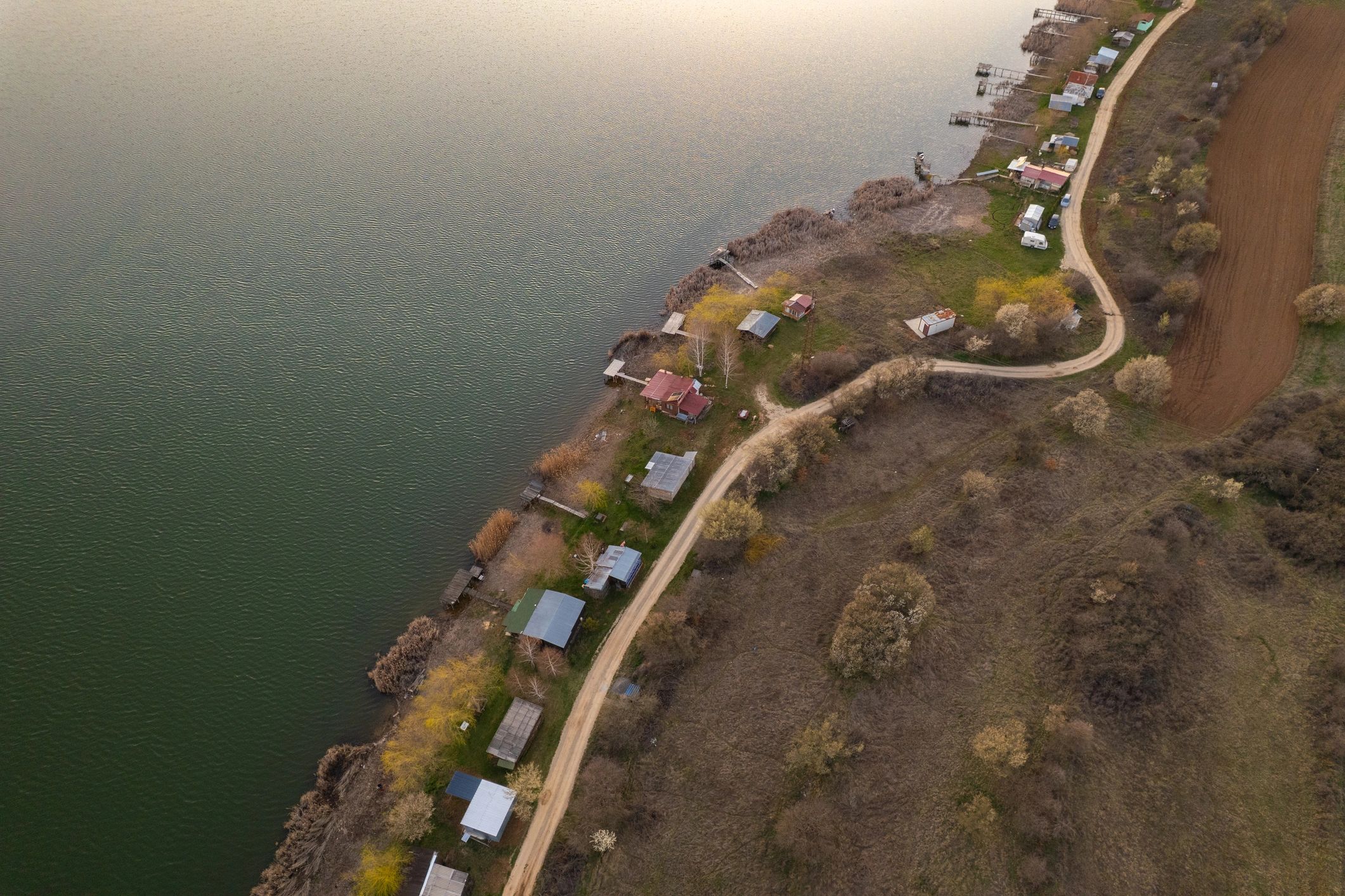
What affects the price
No two Oak Tiny Homes projects are priced the same because the brief, site and intended use all matter. Size, layout complexity, materials, interior finish, glazing, heating, insulation levels, off-grid systems, transport access and siting requirements can all move the budget up or down.
Cost factors
Where your budget goes
Base build
The chassis, structure, insulation, windows, roofing, cladding and core construction standard set the foundation of the price.
Interior finish
Joinery, kitchen quality, bathroom specification, storage solutions and material choices all influence the final figure.
Off-grid systems
Solar, batteries, water, waste and backup systems add capability, but they also add cost and design complexity.
Garden annexe use
Annexes may need different layouts, services connections, access planning and site preparation depending on the property.
Delivery and siting
Transport distance, crane access, groundwork, utility runs and final positioning are often overlooked early on.
Bespoke detail
A highly tailored layout, premium finishes and specialist requirements will cost more than a simpler specification.
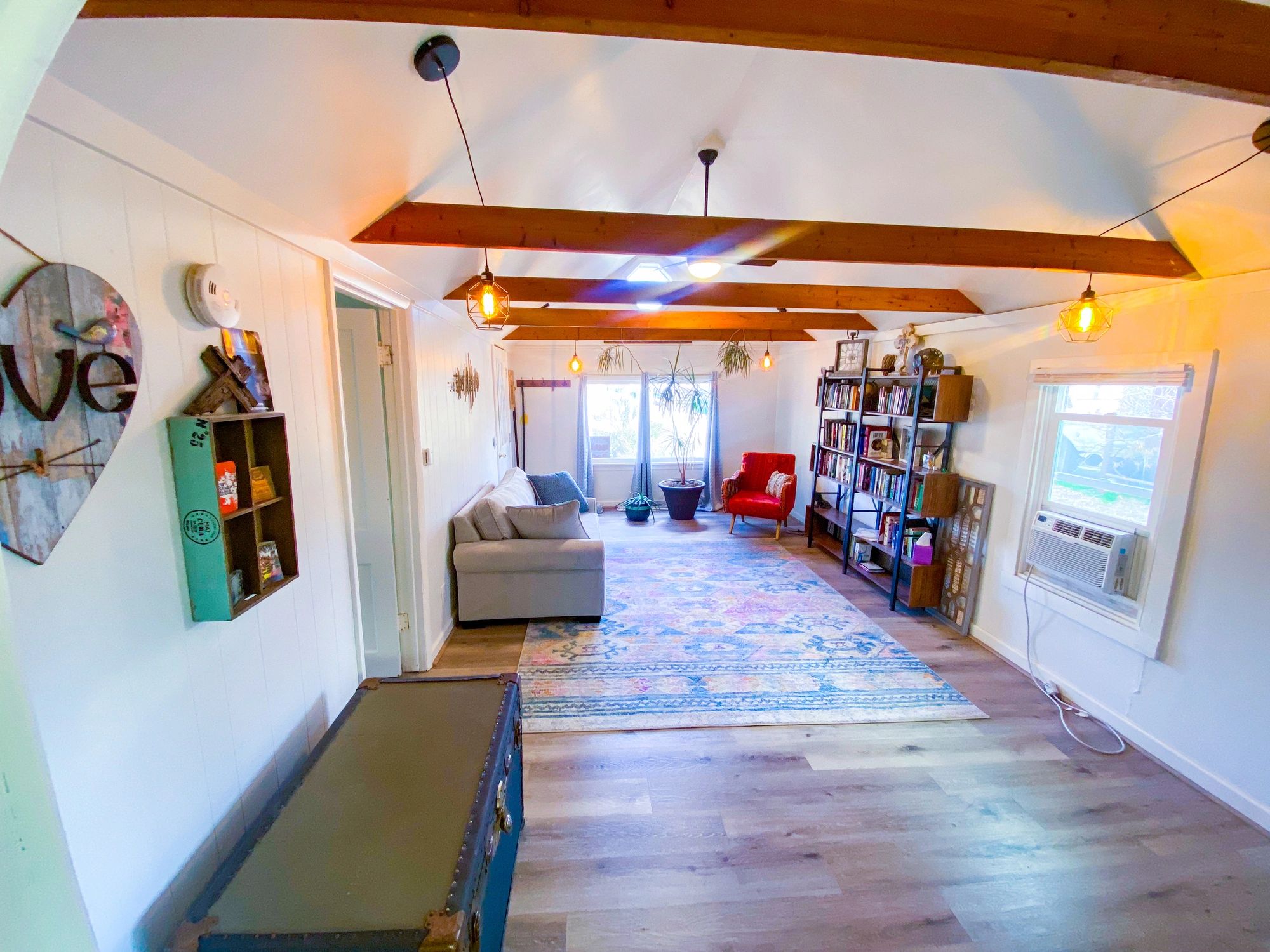
Why quality costs more
A tiny home built for real UK living needs more than a clever layout. Proper insulation, condensation control, ventilation, durable materials and careful detailing all matter if you want comfort, longevity and fewer problems later.
Oak Tiny Homes is positioned as a premium, Chris-led service, so the focus is not on the cheapest route. It is on helping you make sensible decisions before you commit money to land, design or a build path that does not suit your goals.
Typical extras
Costs people often forget
The build price is only part of the picture. Many buyers also need to budget for groundwork, access improvements, service connections, delivery logistics, planning support, furnishing, skirting, steps and site preparation.
Site readiness
Ground conditions, access, utility runs and crane needs can affect the total project cost significantly.
Decision support
A consultation or feasibility review can save far more than it costs by helping you avoid the wrong land, wrong brief or wrong assumptions.