Planning
Honest Tiny Home Planning Guidance
Planning for a tiny home in the UK depends on how it will be used, where it will sit, whether it is ancillary or independent, and the planning status of the land. Oak Tiny Homes helps you understand the realistic route before you buy land, choose a design or spend serious money.
The short answer
Planning Depends on Use, Not Just Size
A tiny home is not automatically exempt from planning because it is small or movable. What matters is how it is used, whether it is for independent living, whether it sits within a garden or wider landholding, and how the local authority is likely to view that use.
Use matters most
Garden annexes, holiday lets, full-time living and rural land uses can all lead to different planning routes.
No false promises
We do not tell people what they want to hear. We help you understand what is realistically possible before costly mistakes are made.
Common Planning Situations
The route often changes depending on the land, the intended use and whether the tiny home is ancillary or independent. These are the areas most people need clarity on first.

Garden and curtilage
Annexes and Garden Settings
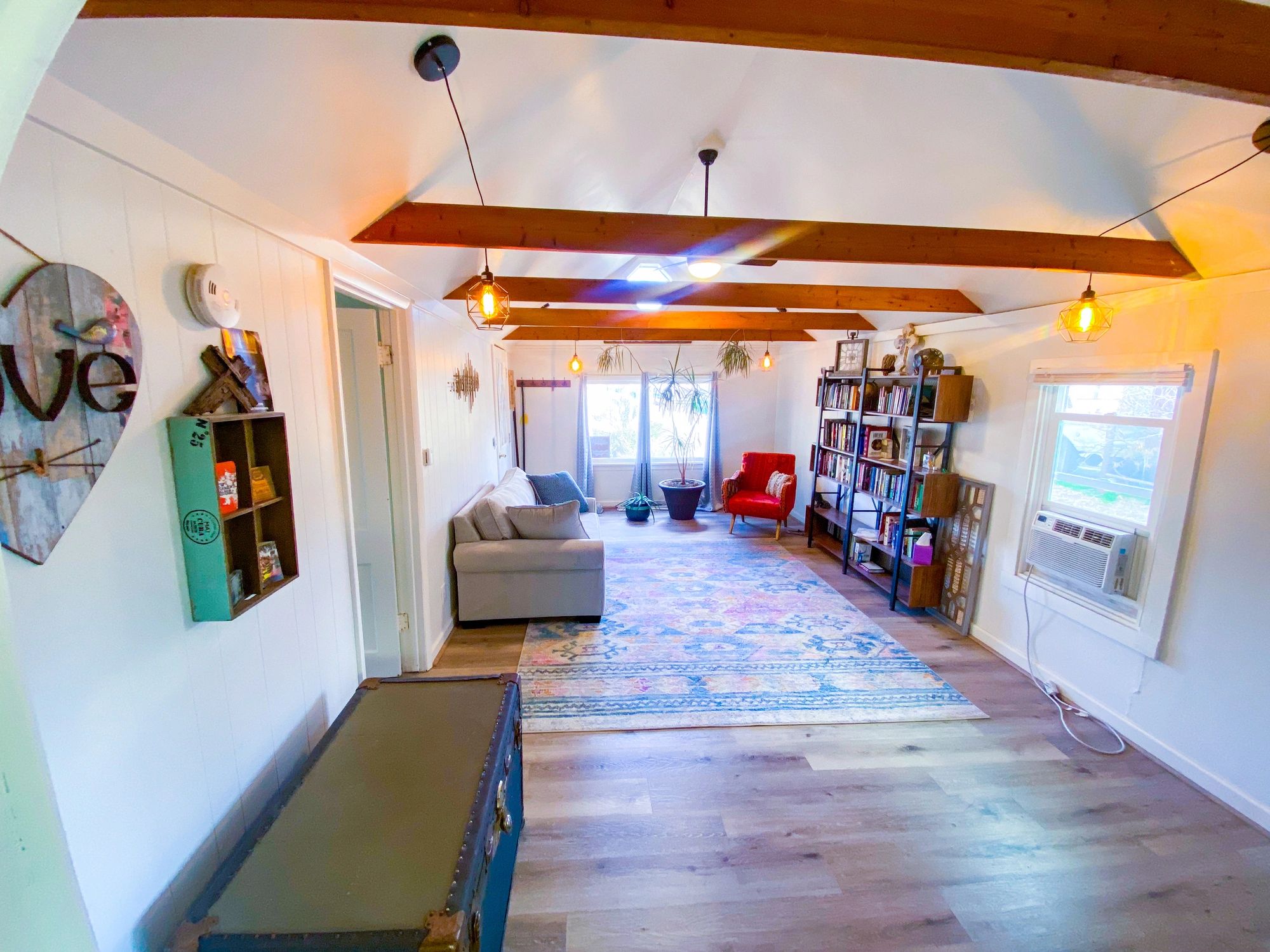
A tiny home used as an annexe within the curtilage of an existing dwelling may be viewed very differently from a separate independent home. The details matter.
Independent living
Full-Time Residential Use
Living in a tiny home as a separate main residence usually raises a higher planning bar, especially on land without an established residential planning status.
Rural and commercial
Farms, Holiday Lets and Rural Land
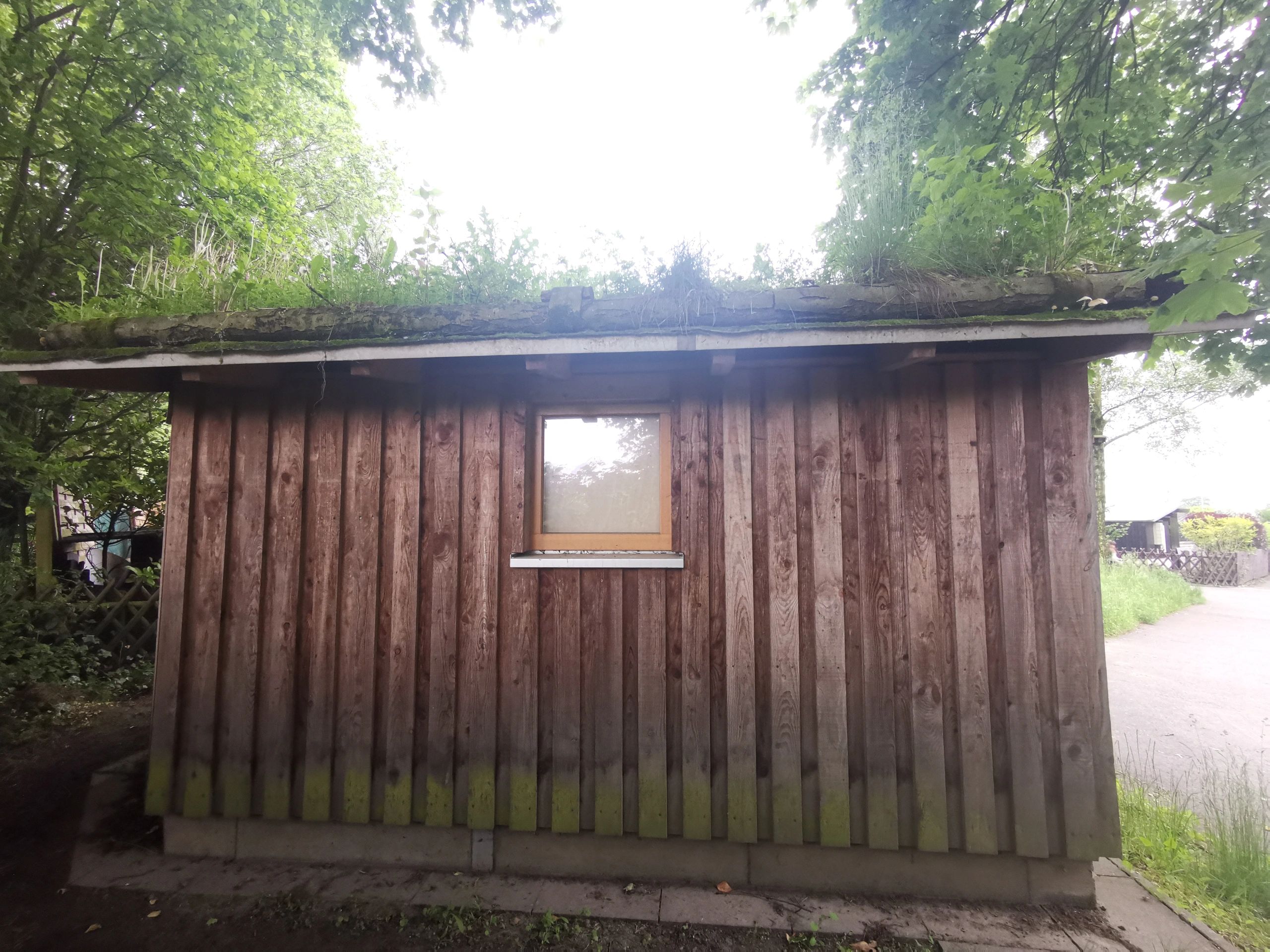
Agricultural land, diversification projects and holiday-let use can each have different planning considerations, constraints and opportunities.
Planning Questions
General guidance only. Every site, council area and intended use is different, so proper advice should be based on your exact situation.
Do tiny homes need planning permission in the UK?
Often, yes. The answer depends on use, siting, services, permanence and the planning status of the land rather than the label of the structure alone.
Can I put a tiny home in my garden?
Sometimes, but the planning position depends on whether it is ancillary to the main house or intended as an independent dwelling.
Can I live in a tiny home on my own land?
Owning land does not automatically create a right to live on it. Residential use and planning status still matter.
Does being on wheels avoid planning?
Not necessarily. Mobility can be relevant, but councils will still look at how the unit is actually used and stationed.
What about agricultural land?
Agricultural land brings its own restrictions. Assumptions can be expensive, so feasibility should be checked early.
When should I speak to Chris?
Before you buy land, choose a design or commit serious money. Early clarity can save time, stress and costly wrong turns.