
Planning
Tiny House Planning Permission UK
A practical starting point for understanding how planning permission may apply to tiny homes in the UK. In most cases, use matters more than size so it is worth getting clear advice before you buy land, choose a design or commit to a build.
What to look at first
Planning outcomes depend on the intended use, the land, the setting and whether the tiny home is incidental, residential, agricultural or holiday accommodation. These are the first areas most buyers need to understand.
Short answer
There is no single rule
A tiny house does not automatically avoid planning permission just because it is small or movable. Councils usually look at how it will be used, where it will sit and what impact it may have.
Use over size
Why use matters more than size
A unit used for full-time living is treated very differently from one used as a garden room, annexe or occasional holiday stay. The same structure can fall into different planning positions depending on occupation and intensity of use.
Garden and land
Garden and curtilage situations
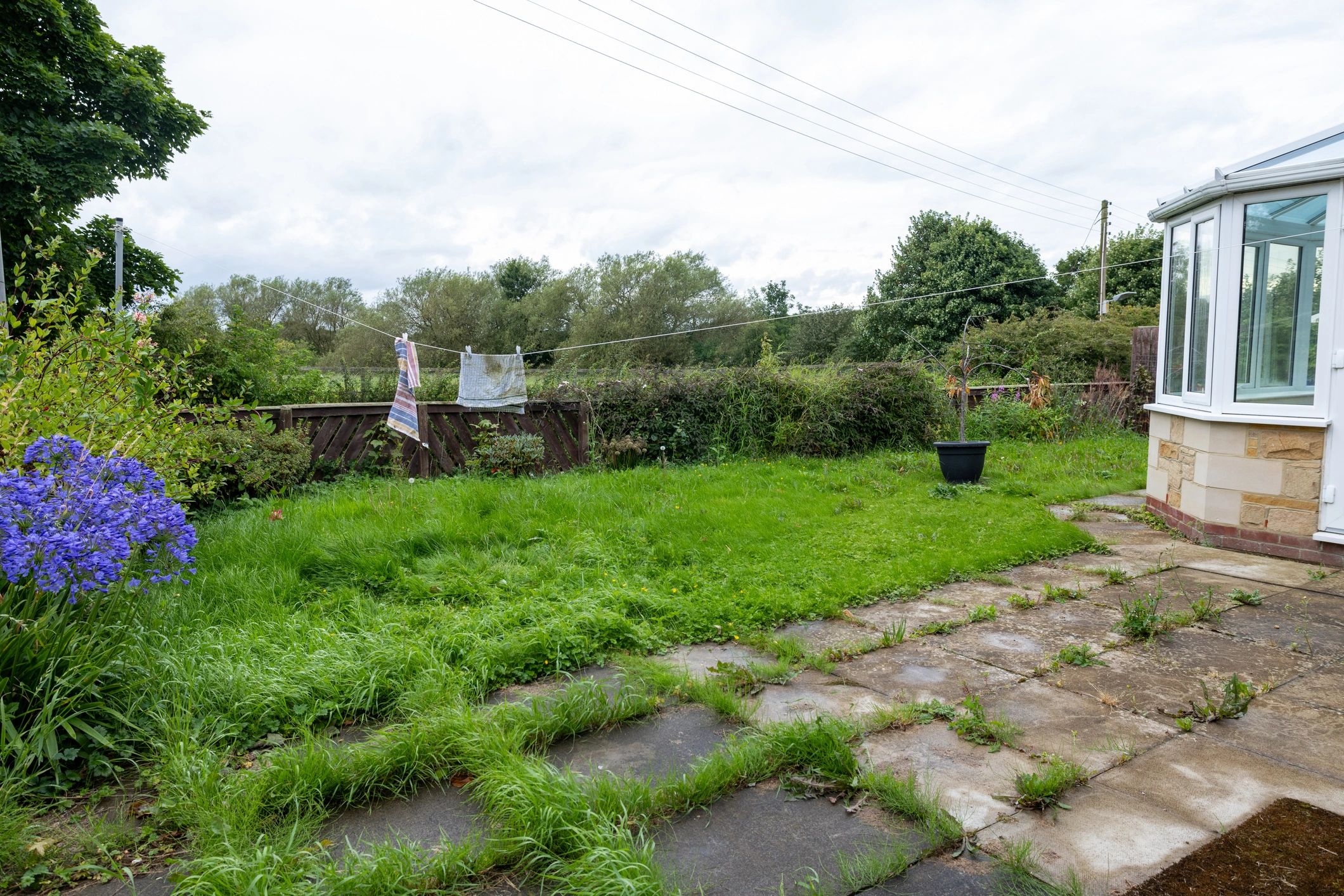
If a tiny home sits within the curtilage of an existing house, the planning position may be different from placing one on a separate plot or open land. Access, services, privacy and whether it becomes a separate dwelling all matter.
Common planning scenarios
Avoid problems
Common mistakes to avoid
The biggest mistakes usually happen when people assume a tiny home is exempt because it is on wheels, because it is small, or because the land feels private. Those assumptions can become expensive very quickly.
Other common issues include buying land before checking policy constraints, overlooking access and services, treating an annexe as an independent dwelling, or relying on informal advice instead of a clear planning route.
If you are still at the early stage, a consultation can help you understand the likely planning questions before you spend serious money.
Planning FAQ
General guidance only. Every site and proposal is different, so specific advice should be based on your land, intended use and local authority context.
Does a tiny house always need planning permission in the UK?
Not always, but many proposals do require planning input. The answer depends on use, location, curtilage, services and whether the unit functions as a separate dwelling.
If it is on wheels, does that avoid planning permission?
No. Mobility alone does not decide the planning position. Councils often look at how the unit is stationed and used in practice.
Can I put one in my garden?
Sometimes, but the details matter. Incidental use is different from creating independent living accommodation in a garden.
What about agricultural land?
Agricultural land has its own constraints. Do not assume a tiny home can be placed there for residential use without proper assessment.
Is a holiday let treated differently?
It can be. Holiday accommodation may involve a different planning analysis from full-time residential occupation, especially where there is commercial use.
When should I speak to Chris?
Ideally before buying land, ordering a build or committing to a layout. Early guidance can help you avoid the wrong route and focus on what is realistic.